Body sculpting, also known as body contouring, includes non-invasive treatments designed to target specific areas of the body and improve their shape and appearance. It can be especially appealing when areas such as the stomach, waist, thighs, buttocks or arms aren’t responding the way you want to diet and exercise.
Our bodies naturally change over time. Age, genetics, hormones, body composition and lifestyle can all influence where we store fat and how our skin looks. Even people who exercise regularly and maintain a healthy lifestyle can have areas they would still like to contour or improve.
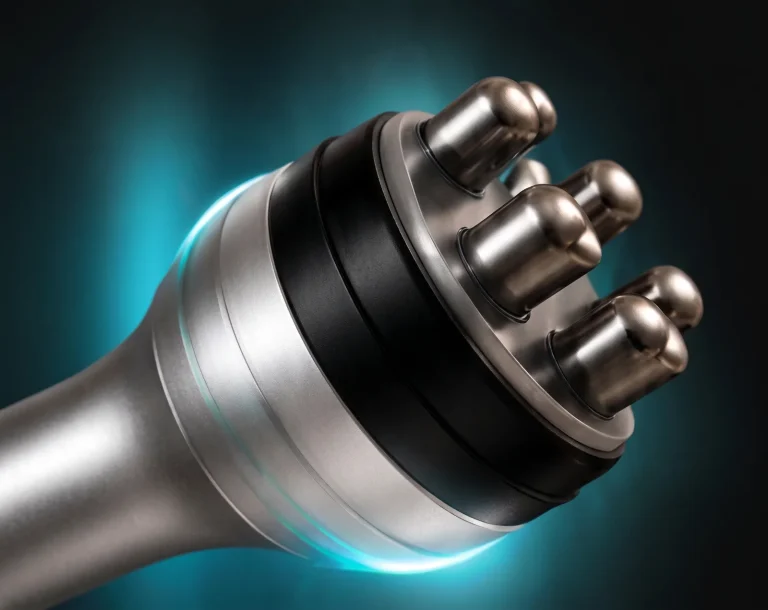
That’s where non-invasive body sculpting comes in. Different technologies can be used depending on your goals, including radiofrequency, ultrasonic cavitation, non-invasive laser technology and vacuum therapy.
Why Are Some Areas So Difficult to Change?
You can’t control exactly where your body stores fat or where it loses fat first. Genetics and body composition play significant roles, which is why the stomach, waist, hips and thighs can remain stubborn even as your overall fitness improves.
Exercise can strengthen and define the muscles underneath these areas, while healthy nutrition and regular physical activity can support overall fat loss. But neither allows you to selectively choose where your body changes.
If certain areas seem particularly difficult to change, learn more about stubborn fat areas on the body and why some areas can be more challenging than others.
Radiofrequency Body Sculpting Treatments
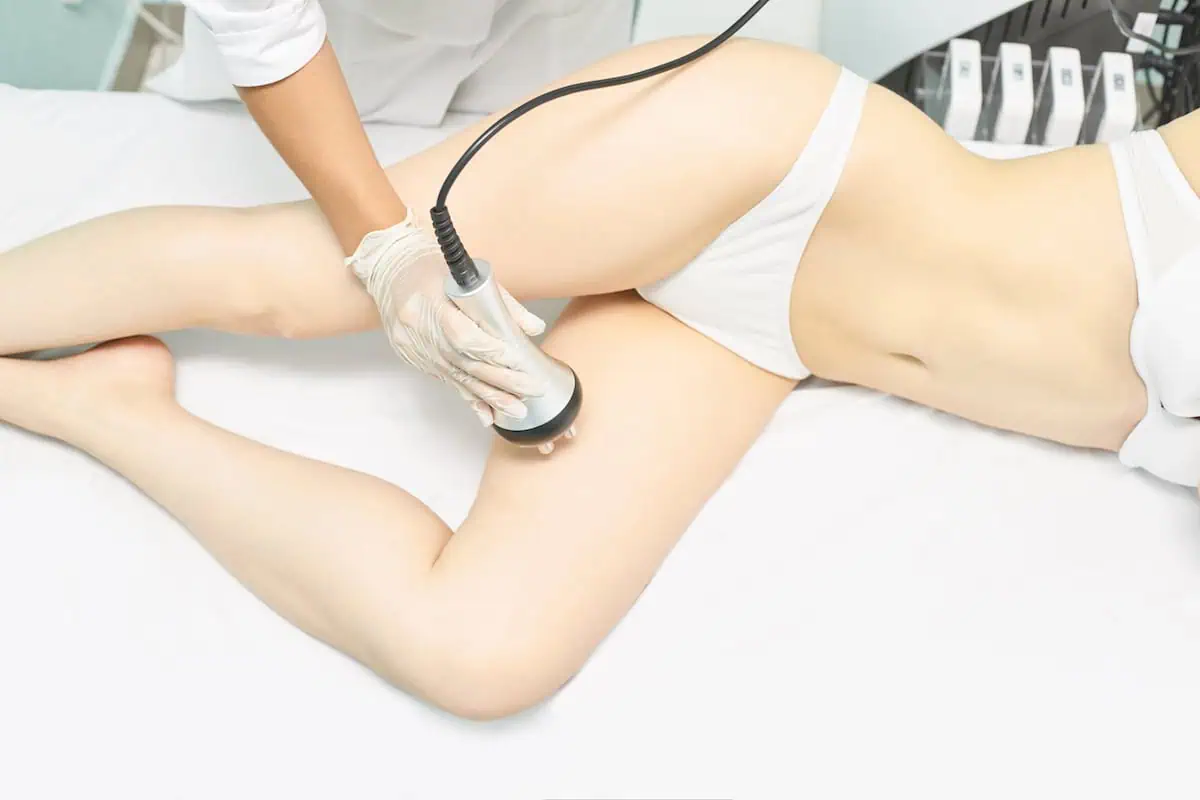
Radiofrequency, commonly called RF, uses controlled thermal energy to heat tissue beneath the skin. This can stimulate collagen remodeling and help improve skin firmness, elasticity and texture over time.
Radiofrequency can be particularly useful when the goal includes improving the appearance of loose or uneven skin. It can be used on areas such as the stomach, thighs, buttocks and arms depending on the device and treatment protocol.
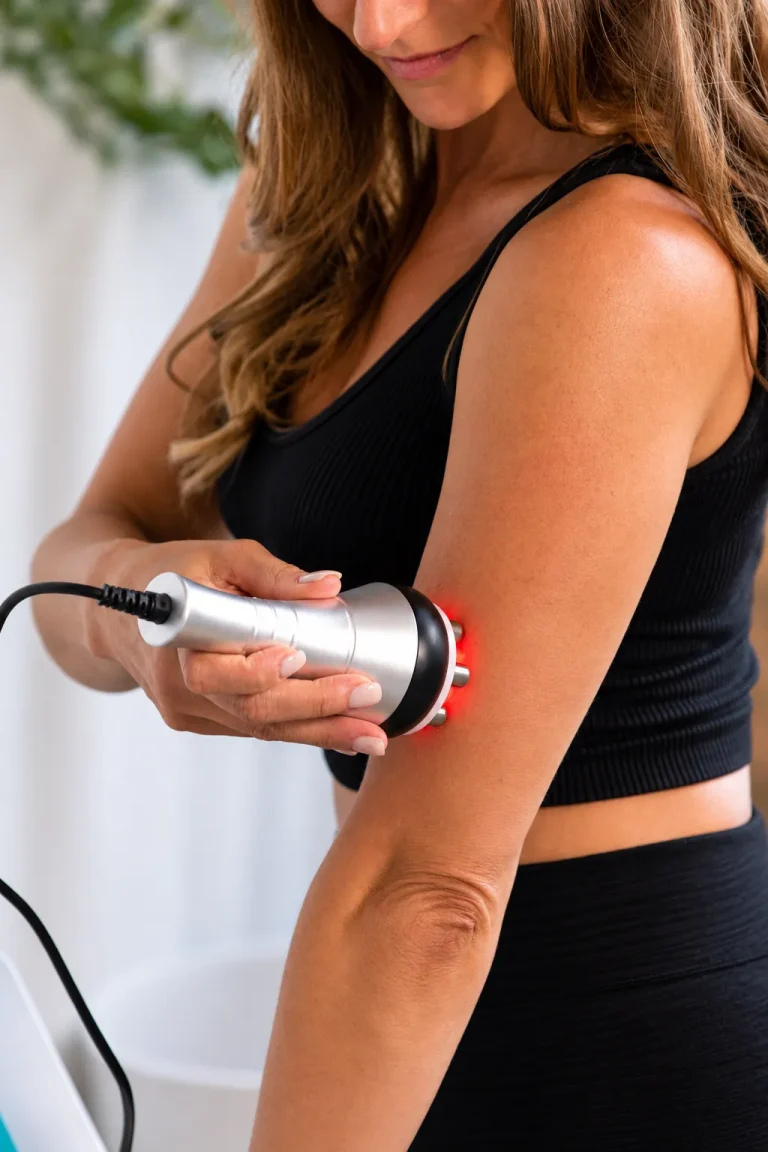
Learn more about radiofrequency for your arms and how RF can be incorporated into a body-sculpting routine.
Body Cavitation
Ultrasonic Cavitation
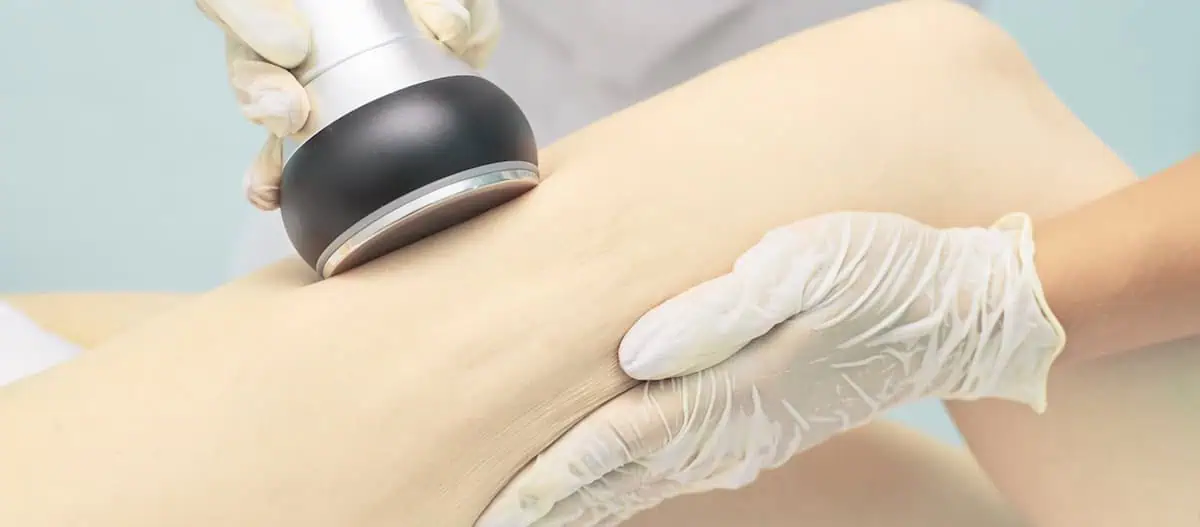
Ultrasonic cavitation uses ultrasound energy to target fat beneath the skin. The ultrasound energy creates mechanical effects within the targeted tissue that can disrupt fat cells and may help reduce circumference in the treated area.
Unlike surgical procedures, ultrasonic cavitation is performed from the surface of the skin and does not require surgical incisions. Common treatment areas can include the stomach, waist, hips and thighs.
For a deeper explanation of the technology, read what is ultrasonic cavitation.
The session feels like a massage and lasts under an hour. There is no downtime for body cavitation, and customers can leave to go home once the session is complete. Book Your Session, today.
Non-invasive Laser Body Contouring
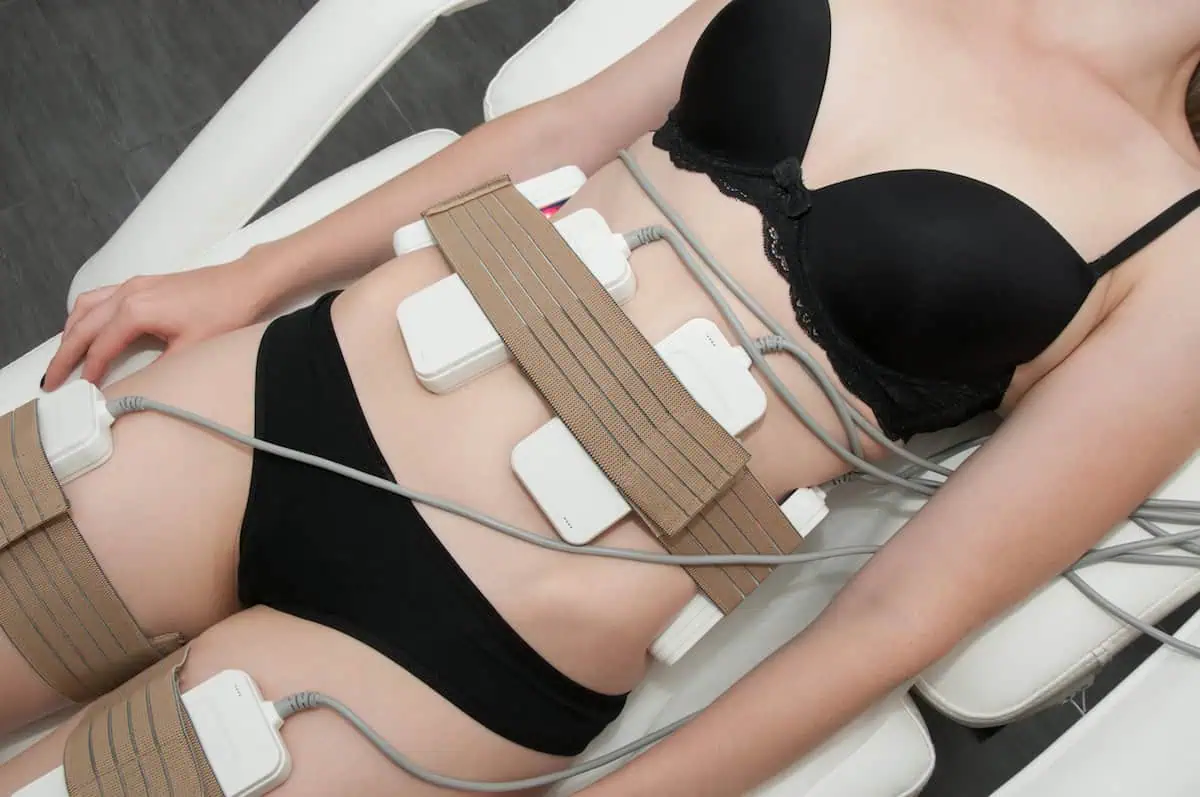
Non-invasive laser body-contouring technology uses controlled light energy to target tissue beneath the skin. Depending on the specific technology and device, it may be used to help reduce the circumference of targeted areas and improve body contour.
Treatment protocols and expected results vary depending on the technology and device being used. Non-invasive laser body contouring should not be confused with surgical liposuction, which is a completely different procedure.
Non-invasive laser lipo is safe and painless. The average client will see 1/2 – 2 inches lost per session. Check out real results.
Vacuum Therapy
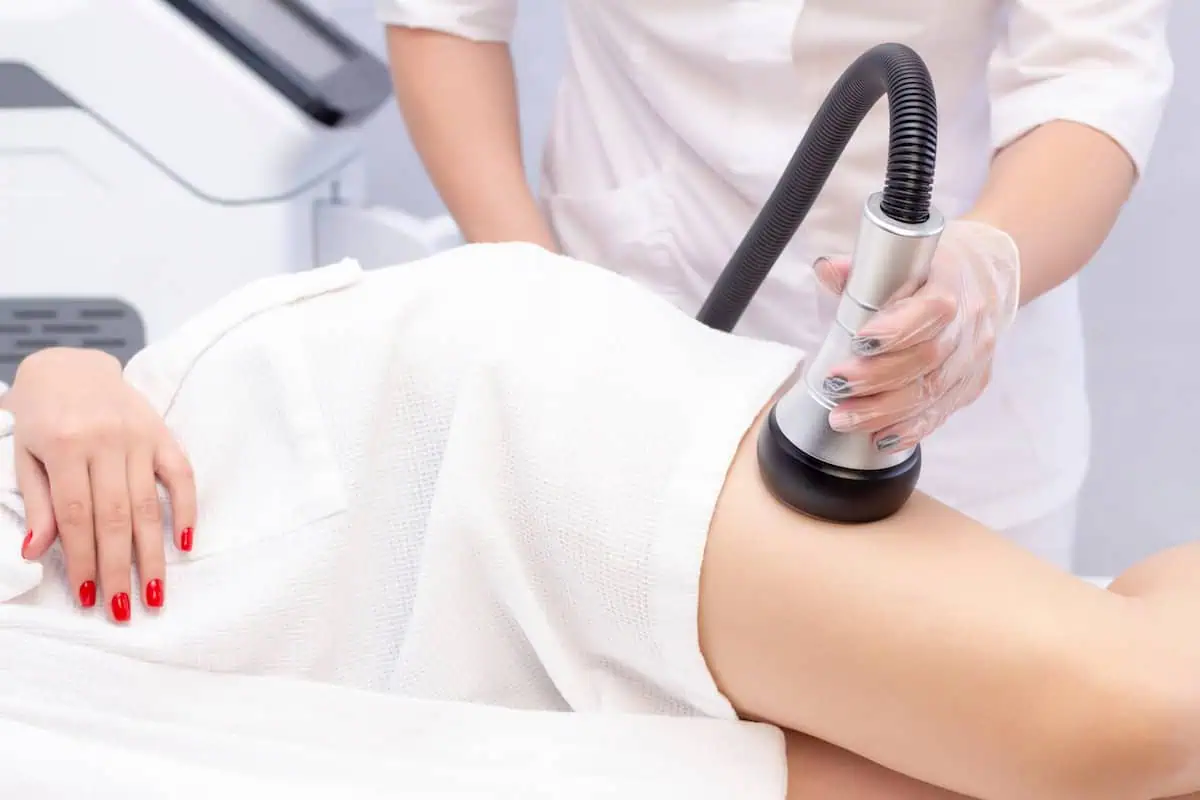
acuum therapy uses controlled suction to manipulate the skin and underlying tissue. It can be incorporated into body-contouring routines to improve the appearance of skin texture and contour.
Vacuum therapy works differently from ultrasonic cavitation and radiofrequency and may be combined with other body-sculpting technologies depending on the treatment goals.
Is Body Sculpting the Same as Weight Loss?
No. Body sculpting and weight loss serve different purposes.
Weight loss is focused on reducing overall body weight and body fat. Exercise helps strengthen muscles, supports overall health and can improve body composition. Body sculpting is designed to target specific areas where you want to improve shape, contour or appearance.
For many people, these approaches can complement one another. Exercise can build and define the muscles underneath the skin, while body sculpting can provide another option for addressing specific areas.
For example, exercises such as rollerblading for your booty can strengthen the glutes and thighs, while body sculpting can be used to target the appearance and contour of those same areas.
What Areas Can Body Sculpting Target?
Body-sculpting technologies can be used on different areas depending on the specific device and treatment protocol. Some of the most commonly targeted areas include the:
- Stomach and abdomen
- Waist and love handles
- Thighs
- Buttocks
- Hips
- Upper arms
The appropriate technology depends on the area being treated and whether the primary goal involves body contour, skin firmness, texture or another cosmetic concern.
Body Sculpting With TushToners
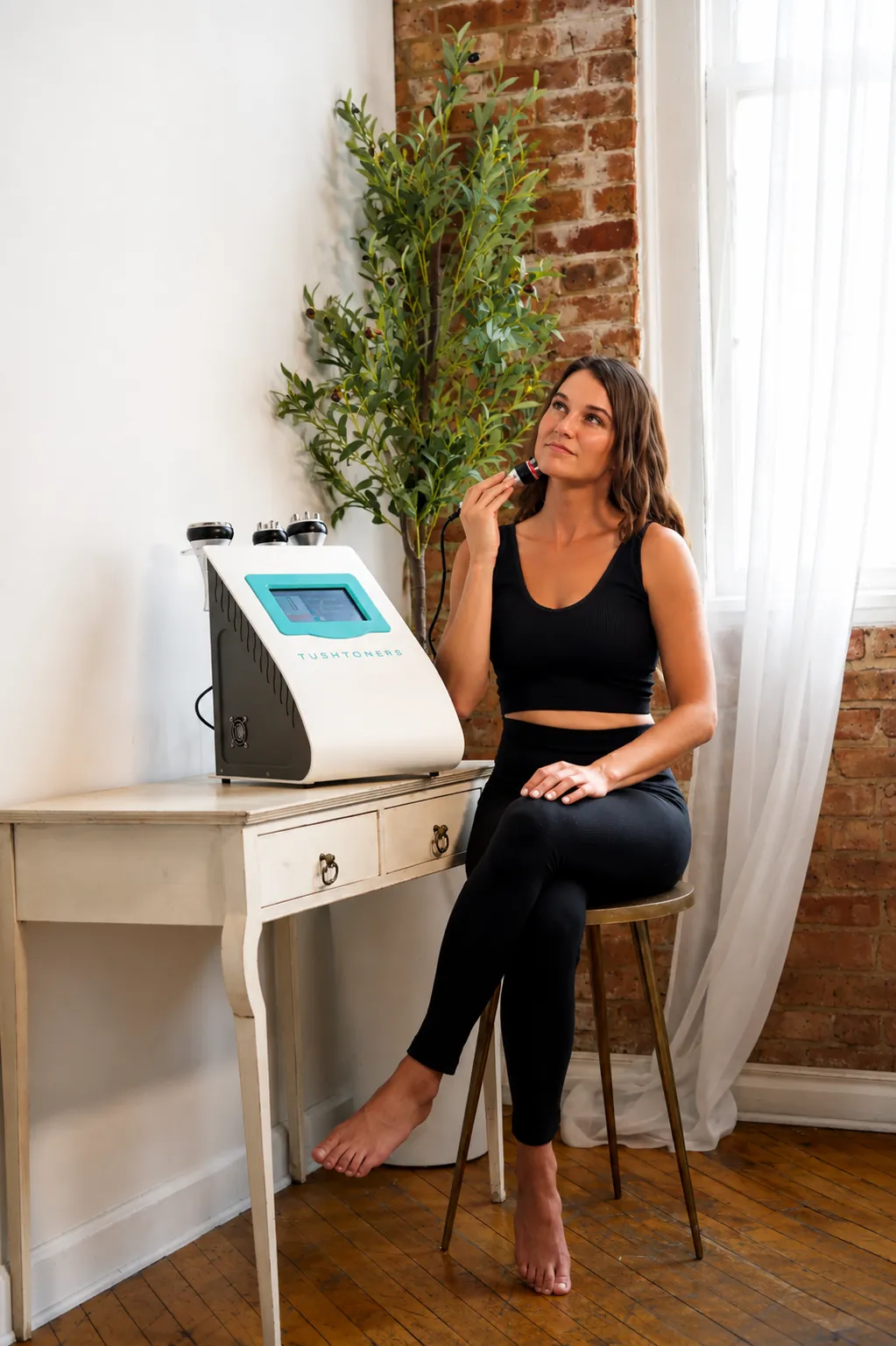
TushToners gives you different ways to incorporate body sculpting into your routine depending on your goals and lifestyle.
Our body-sculpting options are designed to target areas such as the stomach, waist, thighs, buttocks and arms, with choices for both at-home body sculpting and professional in-person sessions.
Body sculpting isn’t intended to replace exercise, healthy nutrition or weight management. Instead, it provides another option for targeting specific areas that may be difficult to change through lifestyle alone.
Ready to Explore Body Sculpting?
Understanding the different body-sculpting technologies can help you determine which approach best fits your goals. You can also see how other TushToners customers have approached their body-sculpting journey before deciding whether at-home or in-person treatment is right for you.