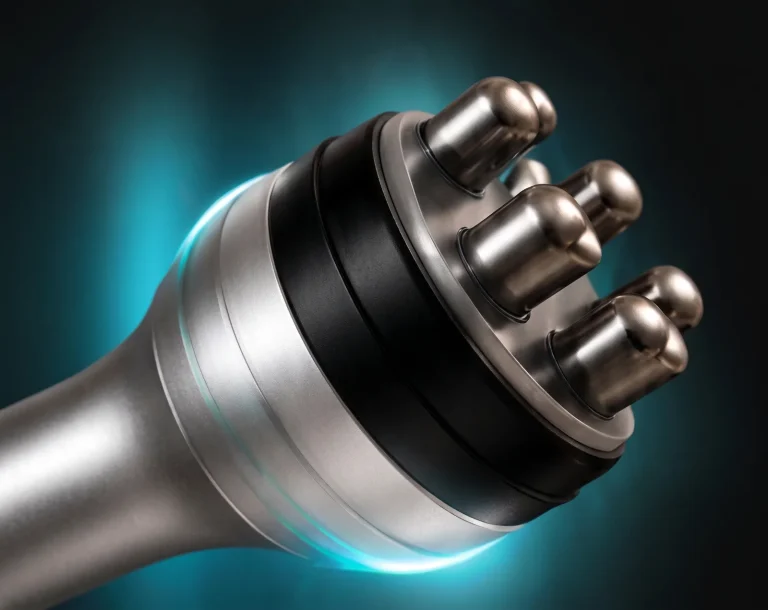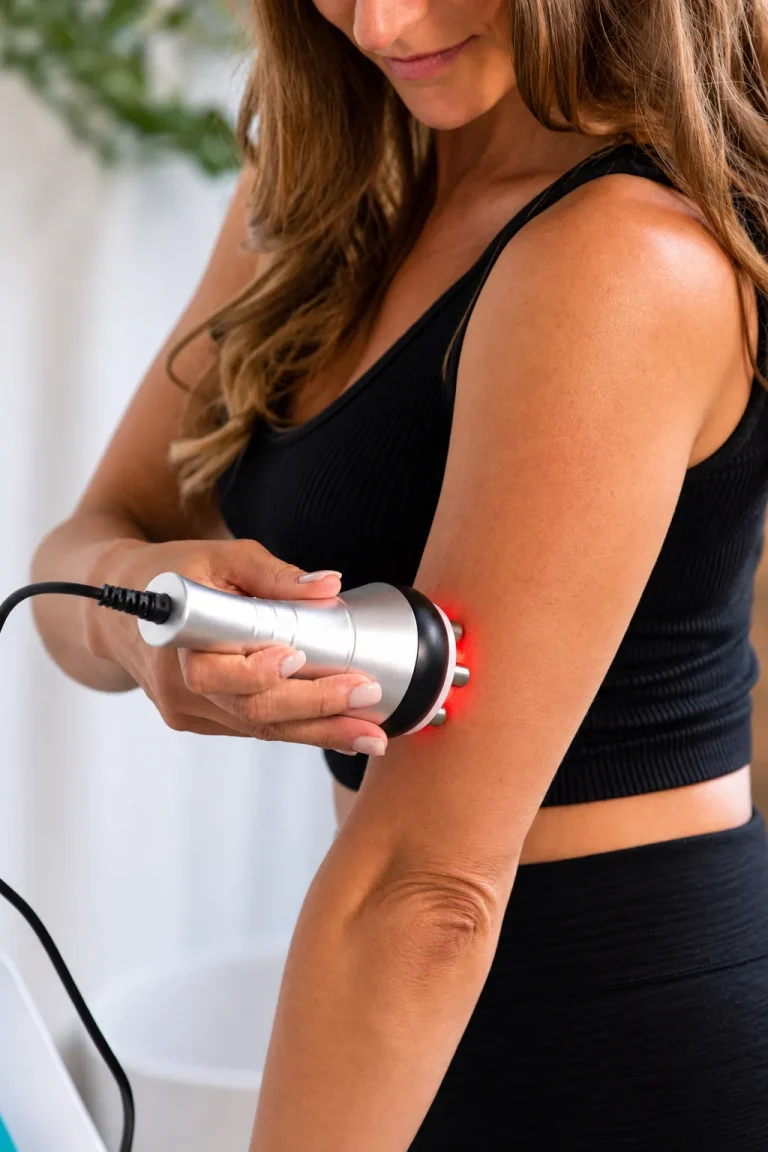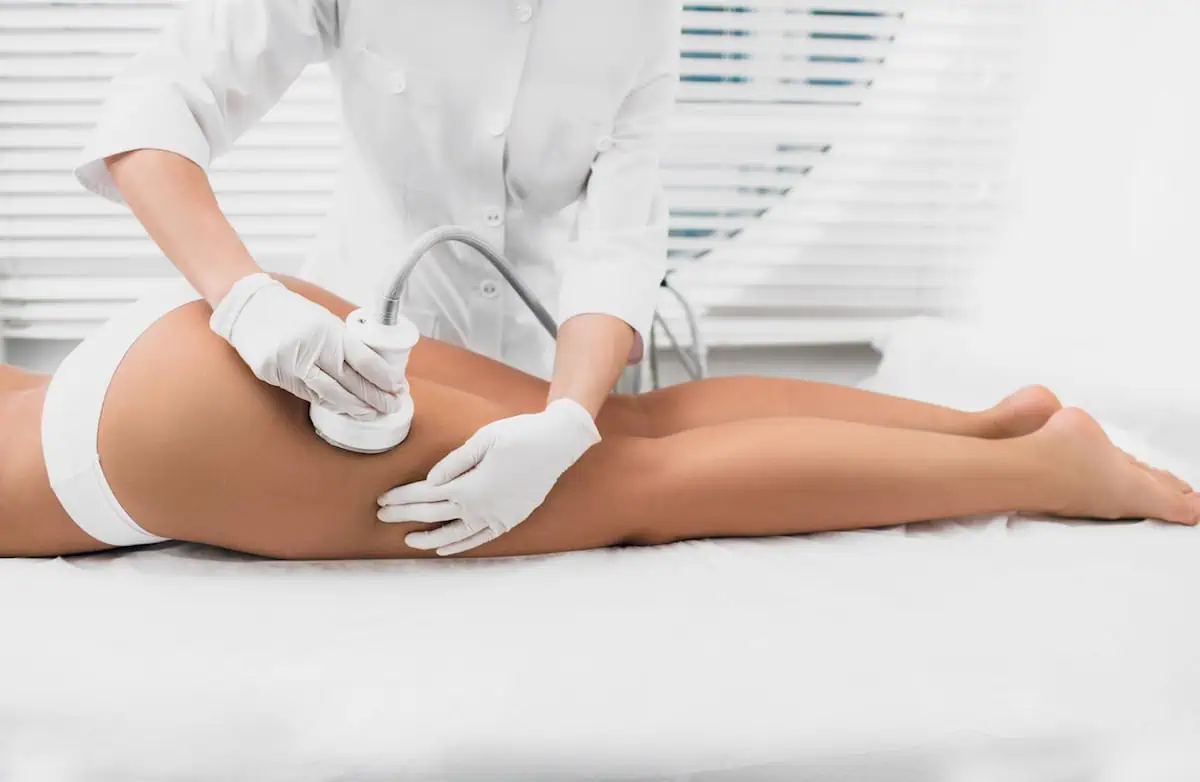
Ultrasonic body cavitation is a non-invasive body-sculpting technology that uses ultrasound energy to target fat beneath the skin. Unlike surgical procedures such as liposuction, ultrasonic cavitation is performed from the surface of the skin without incisions or a traditional surgical recovery period.
Ultrasonic cavitation is designed for body contouring rather than overall weight loss. It is commonly used to target specific areas such as the stomach, waist, hips and thighs where people may have difficulty achieving the contour they want through diet and exercise alone.
TushToners incorporates ultrasonic cavitation into our body-sculpting technology, so let’s take a closer look at how it works, where it can be used and what you can realistically expect.
What Is Ultrasonic Cavitation?
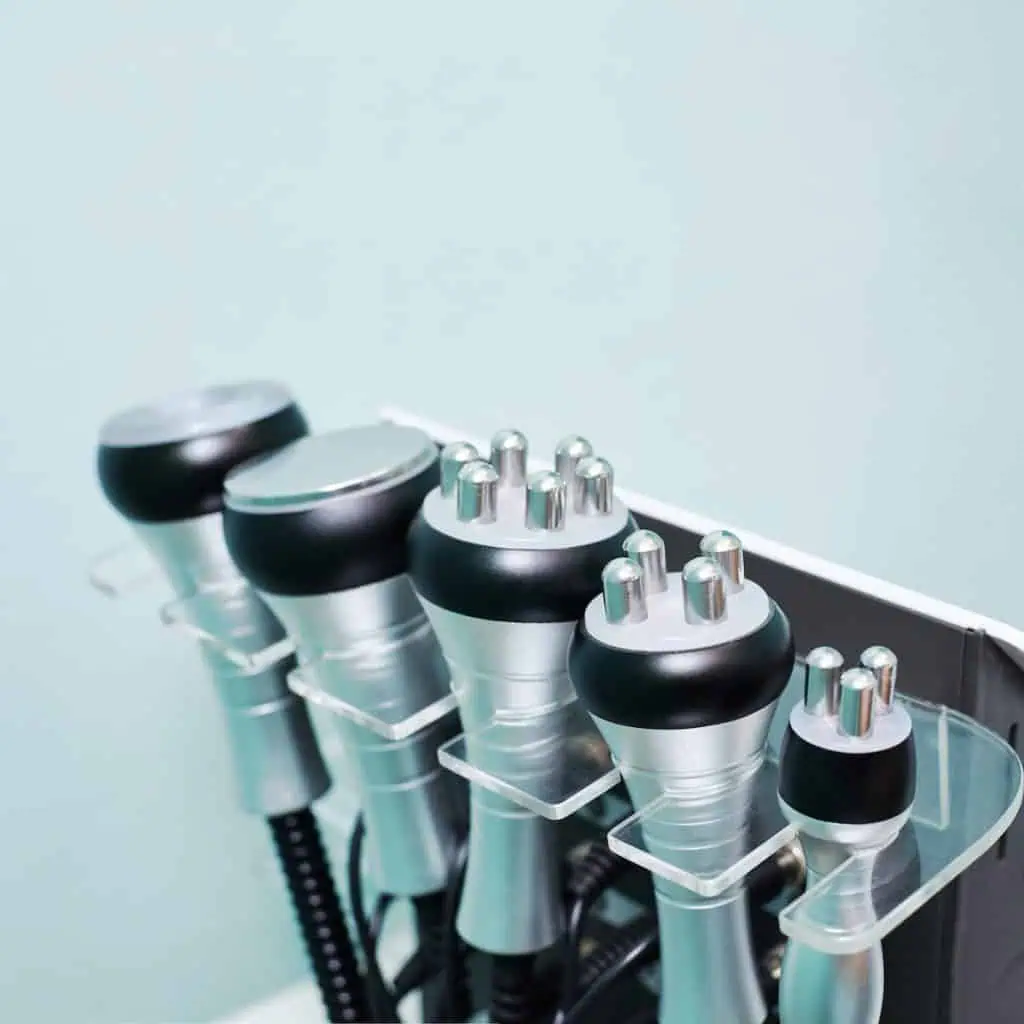
Ultrasonic cavitation uses ultrasound energy to target the layer of fat beneath the skin. The technology creates mechanical effects within the targeted tissue that can disrupt fat cells and help reduce the circumference of a treated area.
Because the treatment is performed externally, ultrasonic cavitation does not require surgical incisions. It is one of several technologies used for non-invasive body sculpting
How Does It Work?
During treatment, a handheld device delivers ultrasound energy through the skin into the underlying fat layer. The ultrasound creates pressure changes and mechanical effects within the targeted tissue that can disrupt fat cells.
The body’s natural processes then clear the cellular material over time. This is different from surgical liposuction, where fat is physically removed from the body.
Ultrasonic cavitation should be considered a body-contouring treatment rather than a weight-loss treatment. The goal is to target localized areas and improve body circumference and contour.
Targeted Areas for Ultrasonic Cavitation
Ultrasonic body cavitation is also frequently performed on the following body areas or parts:
- Stomach
- Hips
- Back and love handles
- Inner and outer thighs
The appropriate treatment area depends on the specific device, treatment protocol and individual body-sculpting goals.
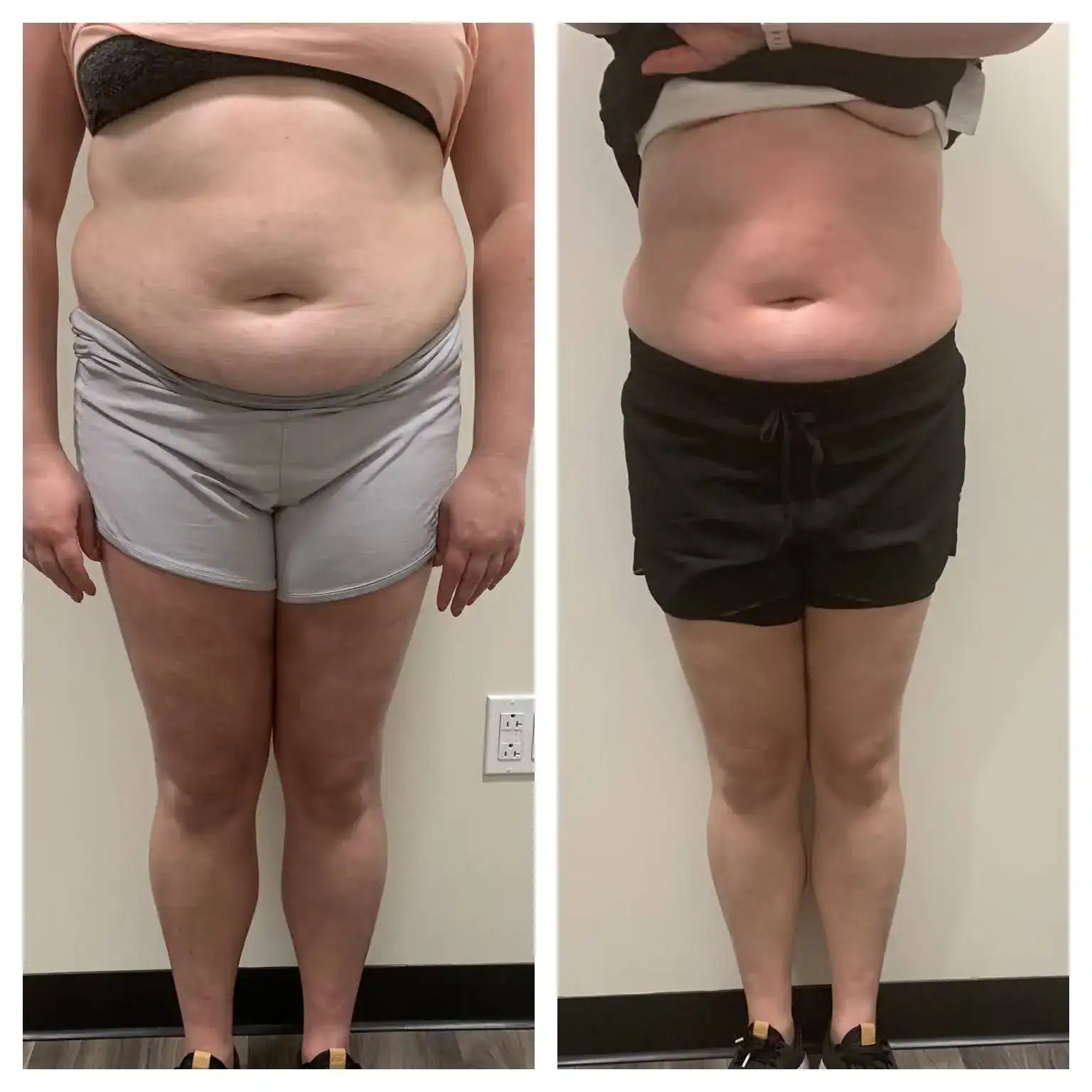
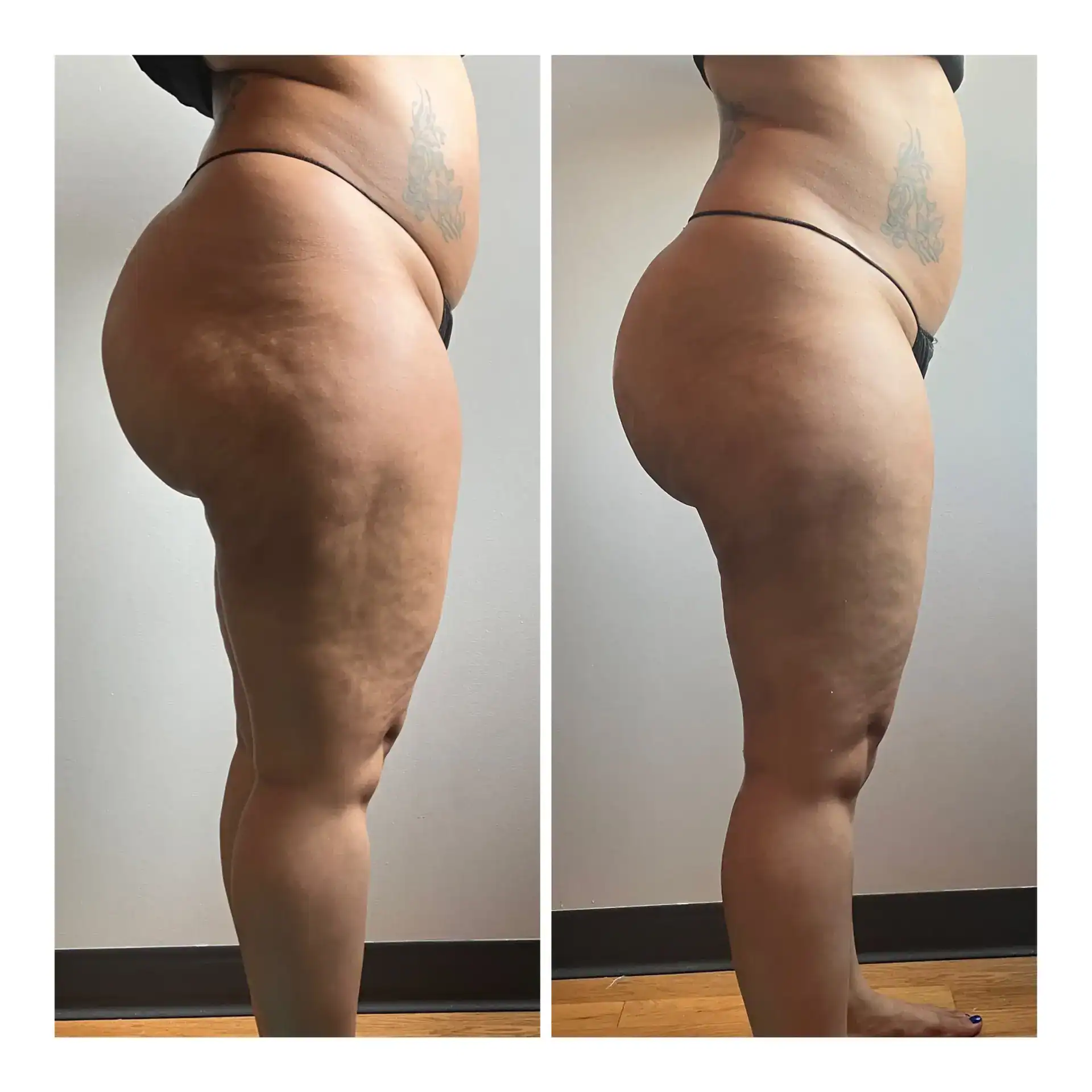
How Long Do the Results of Ultrasonic Cavitation Last?
Results from ultrasonic cavitation vary from person to person. Changes in weight and body composition can affect the appearance of a treated area over time, which is why maintaining healthy nutrition and regular physical activity is important after body-contouring treatments.
Ultrasonic cavitation should complement a healthy lifestyle rather than replace it. Maintaining a relatively stable weight can help support the appearance of your body-contouring results.
How Many Sessions Does A Person Need?
The number of ultrasonic cavitation sessions needed varies based on the individual, treatment area, body composition and desired result. Some clients may notice changes early in the process, while others may require a series of consistent treatments before seeing more noticeable changes.
TushToners treatment protocols vary depending on the area being targeted and whether you’re using an at-home device or receiving an in-person body-sculpting session. Always follow the recommended protocol for the specific device or treatment being used.
The Benefits of Ultrasonic Cavitation
- Non-invasive and non-surgical
- No surgical incisions
- No traditional surgical recovery period
- Targets specific areas of the body
- Can complement healthy nutrition and exercise
- Can be incorporated into a broader body-sculpting routine
Learn More About Ultrasonic Cavitation
Ultrasonic cavitation can provide a non-invasive option for people looking to target specific areas and improve body contour without surgery. Understanding how the technology works is important, but it’s equally important to understand whether the treatment is appropriate for you and what safety considerations may apply.
Next, read Is Ultrasonic Cavitation Safe? for a closer look at safety, contraindications and what you should know before using ultrasonic cavitation.
You can also read What Is Body Sculpting and How Does It Work? to see how ultrasonic cavitation fits alongside other body-sculpting technologies such as radiofrequency and vacuum therapy.