Liposuction risks are real: it is surgery under general anesthesia, and even a successful procedure comes with weeks of swelling, bruising and numbness. Here are the six liposuction risks every patient should understand, and the non-invasive alternative most people do not consider.
Liposuction is a popular cosmetic, surgical procedure that helps remove fat from targeted areas of the body. These typically include the abdomen, buttocks, thighs, neck, or arms.
While it’d certainly feel wonderful to flaunt those flawless abs or that perfectly flat tummy after a successful liposuction procedure, it is important to know it does come with its fair share of risks and side effects.
If you’ve been struggling to reduce weight or eliminate excess fat from your body and wish to opt for liposuction, you must be aware and well-informed about the dangers of liposuction.
Body Deformity/ Contour Irregularities
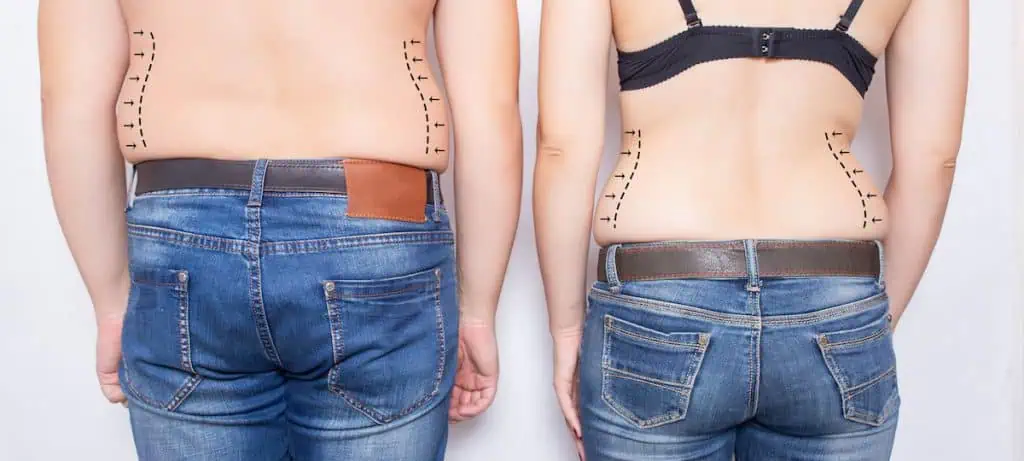
Liposuction is still surgery at the end of the day and can possibly go wrong. One of the biggest dangers of liposuction is that it can result in body deformity, or in other words, contour irregularities.
It is quite possible for your skin to appear wavy or bumpy due to many factors such as poor skin elasticity, improper healing, or uneven fat removal.
Although rare, these changes can be permanent and can give your skin a lasting withered appearance.
Skin Infections
During liposuction surgery, there is a high chance for your skin to develop certain allergic reactions or infections that can be potentially life-threatening.
If infections aren’t treated in time, and they become severe, the results can be quite adverse.
Complications from Anesthesia
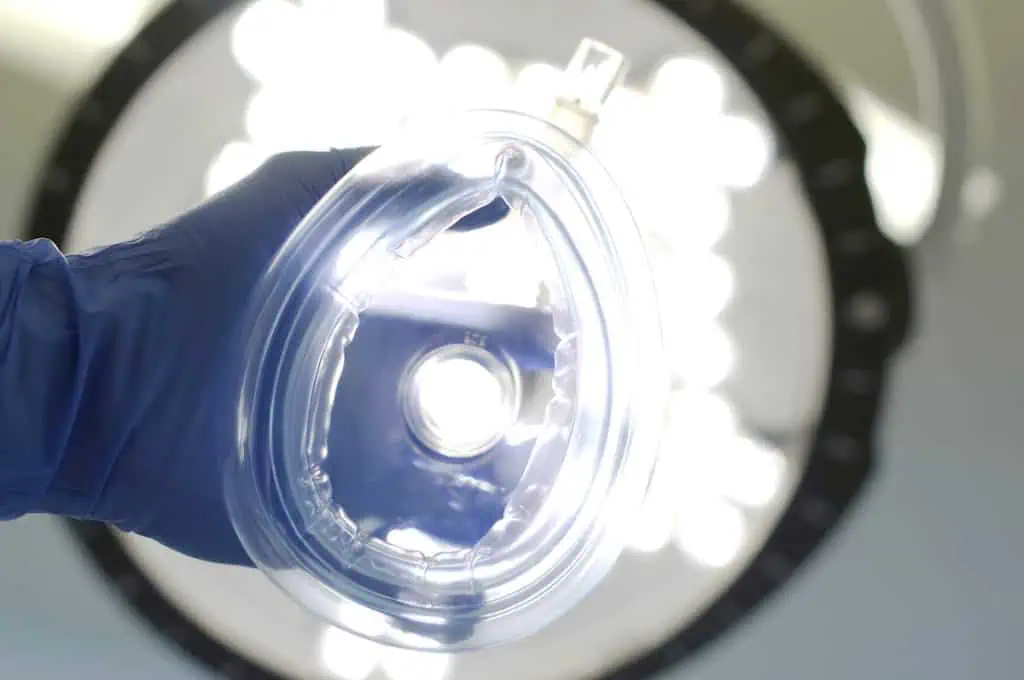
A patient is given general anesthesia during liposuction, which also comes with complications of its own.
General anesthesia can result in many difficulties, such as nausea, vomiting, sore throat, laryngeal damage, cardiovascular collapse, and respiratory distress, among many others.
Numbness and Tingling
Since the targeted area is made numb during liposuction, you are likely to feel numbness and a tingling sensation in the treated areas. It can last a few weeks and will subside in time, given that you follow the post-op instructions properly.
This can further result in temporary nerve irritation that can cause extreme discomfort to the patient.
Swelling
Liposuction can sometimes result in swelling that can last a few months. In most cases, though, the swelling subsides within a period of 4 weeks. You can wear a compression garment for the first few weeks to eliminate swelling as well as the pain, if any.
Bruising
Bruising is another common side effect that typically occurs in all liposuction patients right after the procedure. However, note that it generally disappears about 2-4 weeks after the liposuction surgery. In rare cases, severe and persistent bruising can occur that has more to do with the patient being a chronic smoker, has a tendency to use blood thinners, or has an abnormal bleeding or clotting profile.
Liposuction Risks vs the Non-Invasive Alternative
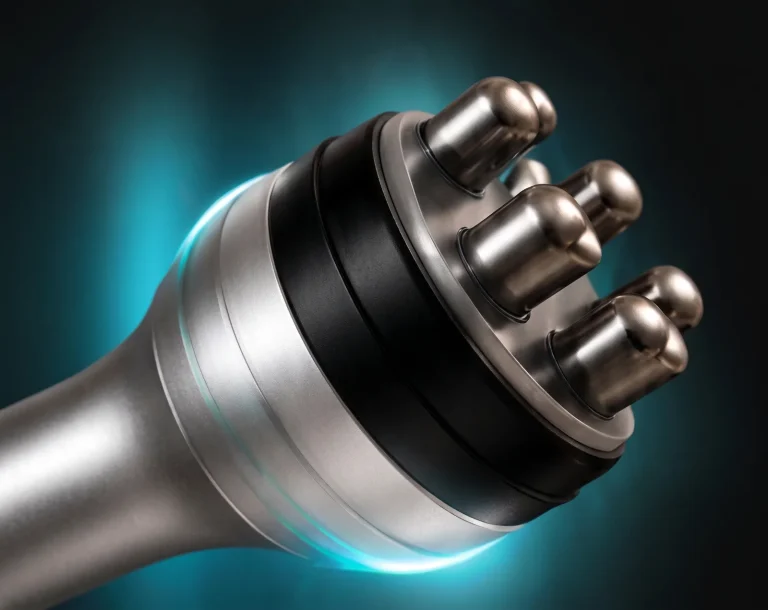
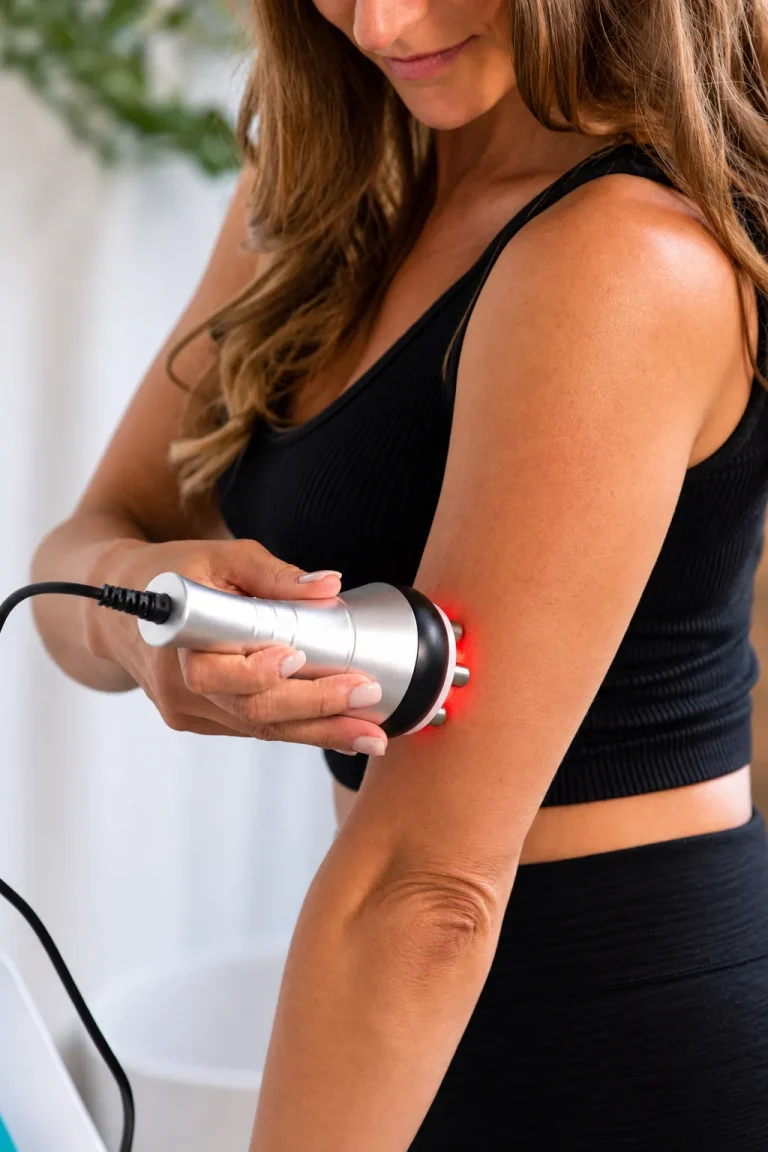
Every one of the liposuction risks above comes from the same place: cutting the body open. Non-invasive body contouring uses ultrasound and radiofrequency to break down fat without incisions, anesthesia or downtime, so the risk list shrinks to temporary redness. The results are gradual rather than instant, and you keep them the same way you would after surgery, with a healthy diet and movement. If you are weighing the two, read our full comparison of body sculpting vs liposuction.
Key Takeaway
So, are liposuction risks worth it? Only you can decide. Liposuction surely does have high success rates and thousands of people from all over the world have gotten it done. However, it is important for one to be aware of the dangers of liposuction so that you can make an informed decision.
Ready to Compare the Alternative?
Liposuction risks are the price of instant results. See what TushToners clients achieved without surgery, then decide whether at-home or in-person treatment is right for you.